Clean Dish Sponge Do's and Don'ts: Keep Your Kitchen Safe & Hygienic
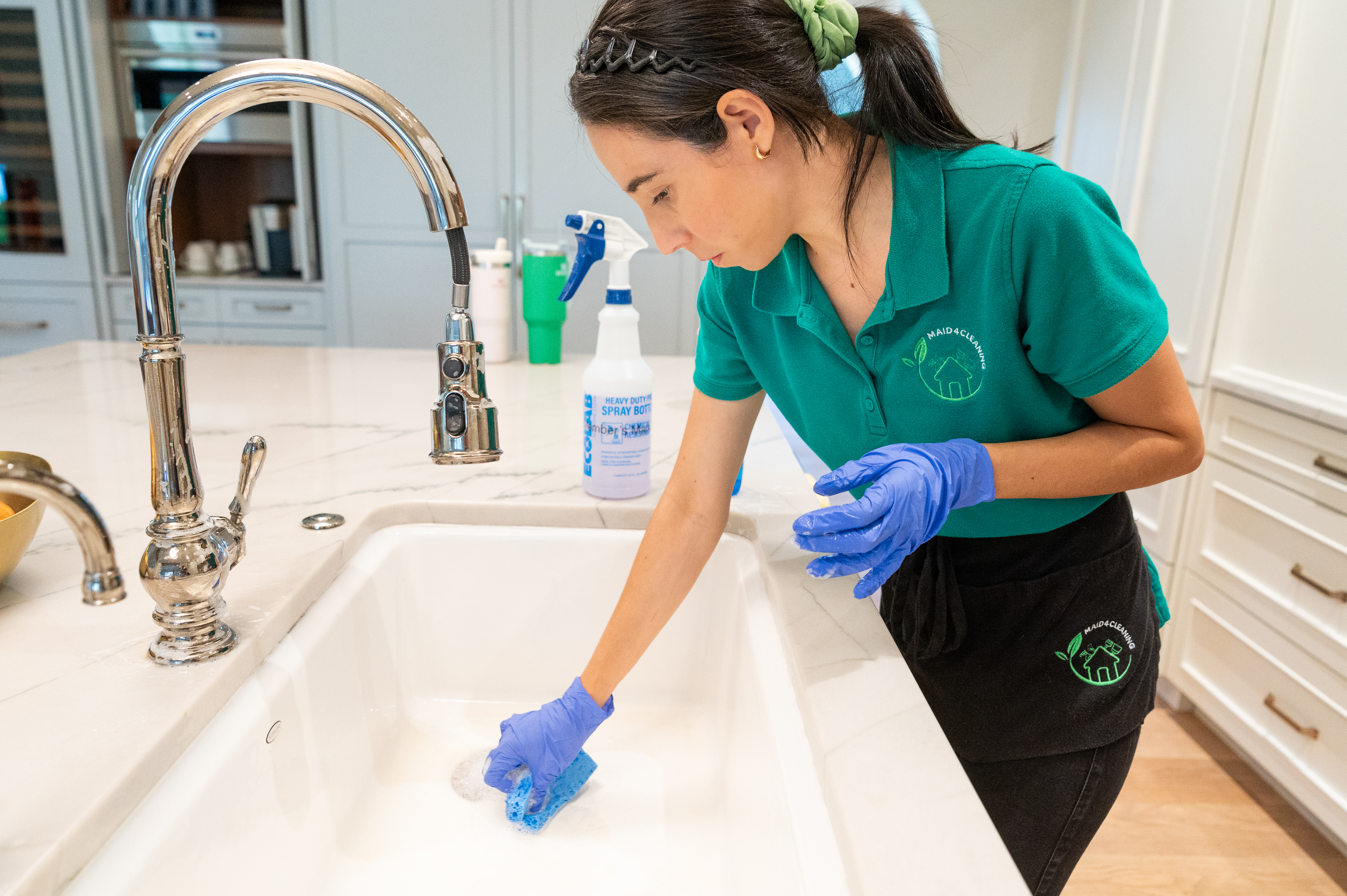
How much do you know about the bacteria lurking in your kitchen sponge? If you've heard that your dish sponge is one of the dirtiest items in your home, you might have dismissed it as an exaggeration. However, studies confirm that sponges can harbor more bacteria than a toilet seat! The moist environment and food particles create the perfect breeding ground for harmful microorganisms, including those that cause foodborne illnesses.
So, how can you keep your kitchen sponge clean and prevent spreading bacteria to your dishes and countertops? Follow these essential do’s and don’ts to maintain a healthier kitchen.
✅ Do’s: The Right Way to Keep a Clean Dish Sponge
Use a Microfiber Sponge
Microfiber sponges are a better choice than traditional cellulose sponges because they dry faster. Since bacteria thrive in damp environments, a microfiber sponge can reduce bacterial growth simply by staying drier between uses.
Pro tip: You can find microfiber sponges online or in most grocery stores at an affordable price.
Clean Your Sponge Daily
A sponge that's left uncleaned will accumulate bacteria rapidly. To kill germs effectively, use one of these proven cleaning methods:
Microwave Method: Place a wet sponge in the microwave on high for one to two minutes. Be sure it’s completely wet to prevent a fire hazard.
Dishwasher Method: Run your sponge through a regular dishwasher cycle, ensuring you use a heated dry setting.
Bleach Solution: Soak your sponge in a mix of one gallon of water and 3/4 cup of bleach for five minutes.
Rinse and Dry Thoroughly
After each use, rinse your sponge well to remove food debris. Wring it out completely and store it in a dry, well-ventilated area rather than letting it sit in a damp sink.
Replace Sponges Regularly
Even with regular cleaning, sponges don't last forever. Replace them every two weeks if using a cellulose sponge or once a month for microfiber sponges.
❌ Don’ts: Avoid These Common Sponge Mistakes
Don’t Use Sponges on Cutting Boards or Butcher Blocks
Cutting boards, especially those used for raw meat, are prone to cross-contamination. Instead of wiping them with a sponge, clean them with hot, soapy water and a disinfectant like diluted bleach or hydrogen peroxide. Using paper towels or disposable disinfectant wipes is also a safer option.
Don’t Keep a Smelly Sponge
If your sponge starts to smell bad, it's already a breeding ground for bacteria. A foul odor means it's time to throw it away immediately and replace it with a fresh one.
Don’t Substitute a Dish Cloth for a Sponge
Dish cloths may seem like a good alternative, but they tend to retain moisture longer, increasing the risk of bacterial growth. If you prefer using a dish cloth, be sure to wash it daily in hot water and replace it frequently.
Don’t Ignore Cross-Contamination Risks
Using the same sponge to clean multiple surfaces (e.g., dishes, countertops, and sinks) can spread bacteria. To minimize this risk:
Designate different sponges for dishes and surfaces.
Use disposable disinfectant wipes for high-risk areas, such as the sink and raw meat spills.
Final Thoughts: Keep Your Sponge (and Kitchen) Bacteria-Free
Your kitchen sponge plays a crucial role in cleaning, but if not handled properly, it can spread more germs than it removes. By following these do’s and don’ts, you can significantly reduce bacteria in your kitchen, keeping your family safe and healthy.
When in doubt, remember: a cleaner sponge means a cleaner home! And if keeping up with deep kitchen cleaning feels overwhelming, let the experts at Maid 4 Cleaning help. We offer professional home cleaning services in Saint Louis, ensuring your kitchen stays spotless and sanitary.
📞 Call us today at (314) 626-5885 to book your cleaning service!