Cleaning Mildew from Shower Curtains: A Complete Guide
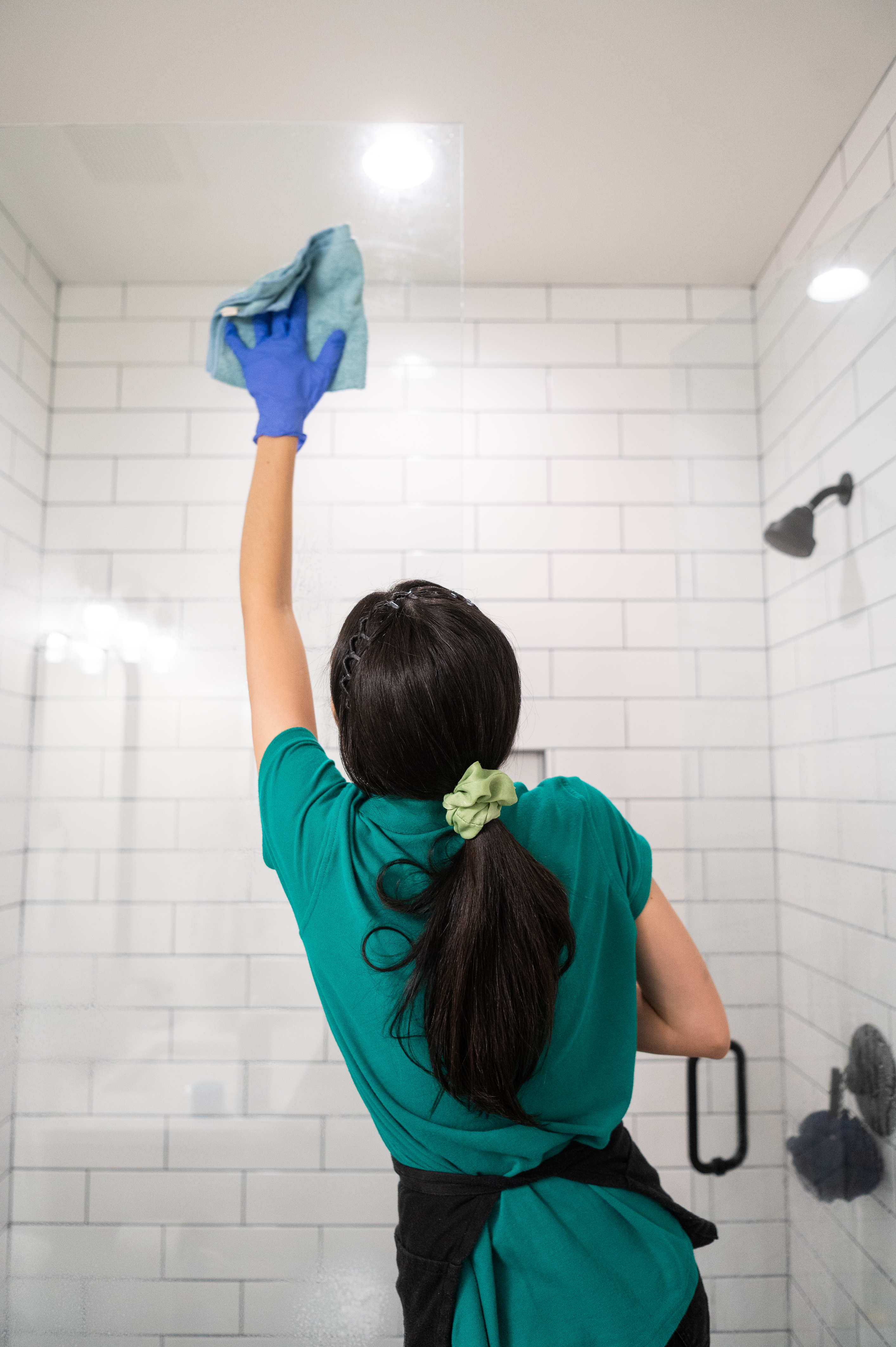
What’s unsightly, smelly, and makes your shower curtain look downright gross? Mildew.
Mildew is inevitable in the warm, humid environment of your bathroom. However, just because it’s bound to appear doesn’t mean you have to live with it. If left untreated, mildew can cause unpleasant odors and even pose potential health risks. Fortunately, tackling mildew on your shower curtain is simple with the right approach. Read on to learn how to eliminate mildew and keep your shower curtain fresh and clean.
How to Remove Mildew from Plastic Shower Curtains
Many plastic shower curtains claim to be mildew-resistant, but over time, mildew can still develop. When that happens, follow these steps:
- Remove the Curtain: Take the plastic shower curtain down and place it in your bathtub.
- Soak in a Cleaning Solution: Fill the tub with warm water and add one cup of chlorine bleach. Let the curtain soak for about an hour to break down the mildew.
- Scrub if Necessary: If mildew stains persist, gently scrub the affected areas with a soft brush or sponge.
- Machine Wash on Gentle: Place the curtain in your washing machine with a few towels to help scrub it clean. Use a mild detergent and set the machine to a gentle cycle with warm water.
- Rinse and Dry: Once the wash cycle is complete, shake off excess water and hang the curtain back up to air dry.
Pro Tip: Adding a half cup of baking soda to the wash cycle can help remove stubborn stains without damaging the plastic.
How to Remove Mildew from Cloth Shower Curtains
Cloth shower curtains, especially those with a plastic liner, require a different approach:
- Pretreat Stains: If you spot any mildew stains, apply a stain remover or a paste made from equal parts hydrogen peroxide and baking soda.
- Check the Care Label: Always follow the manufacturer’s cleaning instructions. Most cloth curtains can be machine-washed.
- Wash on a Warm Cycle: Use a gentle detergent and add a cup of white vinegar to the rinse cycle for extra mildew-fighting power.
- Dry Properly: If the care label permits, dry the curtain on low heat or air-dry outside for freshness.
- Wash the Plastic Liner Separately: If your cloth curtain has an attached plastic liner, clean it using the method described for plastic curtains.
Pro Tip: A few drops of tea tree oil added to the wash cycle can act as a natural mildew deterrent.
How Often Should You Clean Your Shower Curtain?
Regular maintenance prevents mildew from building up. Here’s a good cleaning schedule to follow:
- Plastic Shower Curtains: Wash every one to three months depending on mildew buildup.
- Cloth Shower Curtains: Wash monthly or at least every three months if your bathroom has good ventilation.
- Shower Curtain Liners: Clean every four to six weeks to prevent mildew from spreading.
For those living in humid climates, monthly cleanings are best to keep mildew under control.
Preventing Mildew on Shower Curtains
Prevention is key when it comes to mildew. Follow these simple tips to keep your shower curtain fresh:
- Improve Ventilation: Run the bathroom fan or open a window after each shower to reduce humidity.
- Stretch Out the Curtain: Always spread the curtain fully after showering so it can dry quickly.
- Use a Daily Shower Spray: A DIY mixture of equal parts water and white vinegar can help prevent mildew.
- Upgrade to a Mildew-Resistant Curtain: Invest in a high-quality, mildew-resistant shower curtain or liner.
Need a Helping Hand? Call Maid 4 Cleaning!
Keeping your bathroom mildew-free can feel like a constant battle. If you need extra help with your home cleaning, let Maid 4 Cleaning handle it for you! Our professional maid services will leave your bathroom sparkling clean, so you can enjoy a fresh and inviting space.
📞 Call us today at (314) 626-5885 or visit our website to schedule your cleaning. Be Swept Away!
With these expert-backed tips, you can keep your shower curtain mildew-free and your bathroom looking spotless. Say goodbye to mildew and hello to a cleaner, fresher shower!