Cleaning with Vinegar: The Do’s and Don’ts for a Sparkling Home
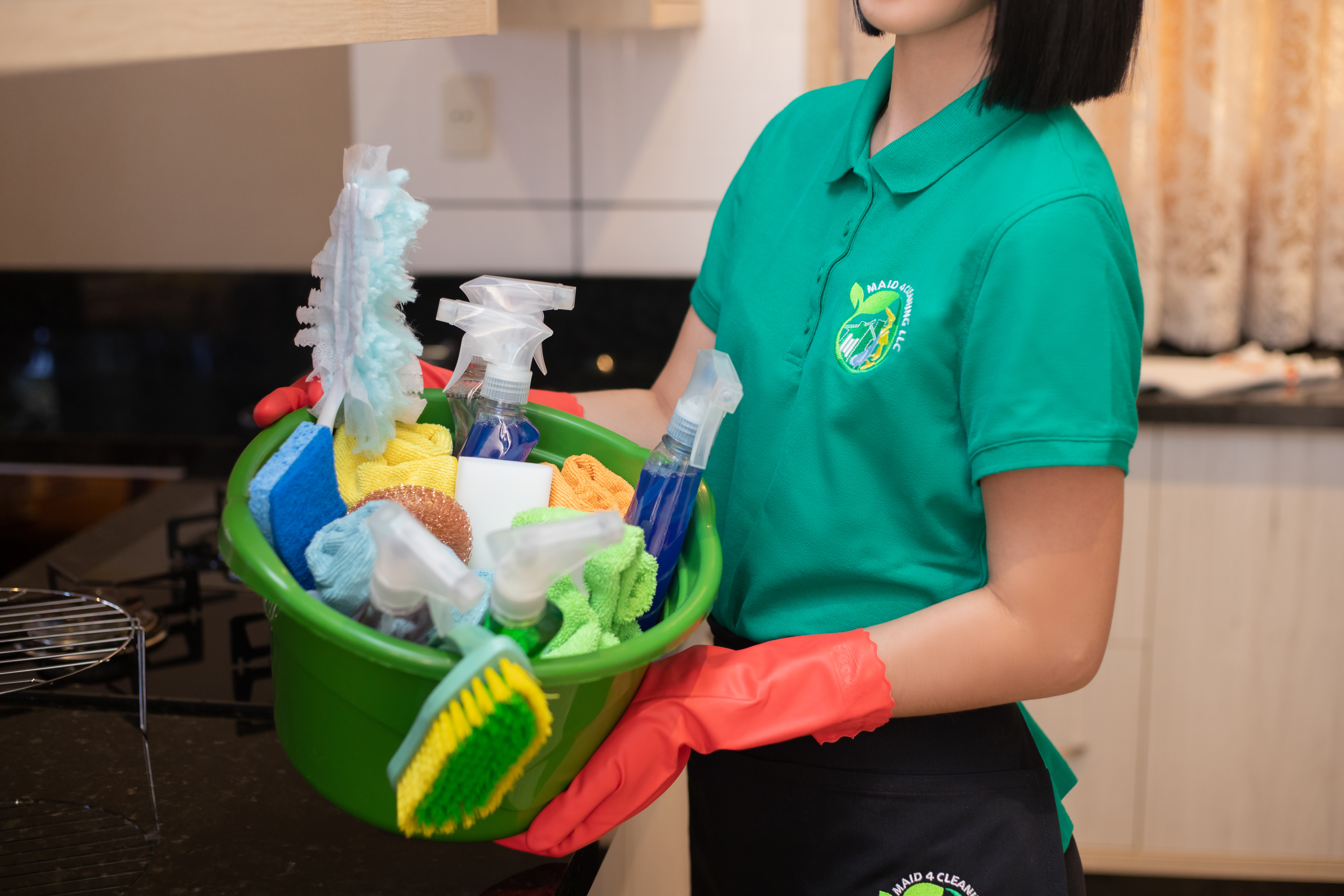
Distilled white vinegar has earned a reputation as an all-natural cleaning powerhouse. Its affordability, eco-friendliness, and versatility make it a staple in many homes. However, while vinegar can tackle grease, grime, and even bacteria, there are some surfaces and situations where it does more harm than good. Let’s explore the best ways to clean with vinegar—and the times you should avoid it.
What Not to Clean with Vinegar
Vinegar’s acidity is great for breaking down stains, but that same acidity can corrode or dull certain surfaces. Here are some materials you should keep vinegar far away from:
- Natural Stone Surfaces – Marble, granite, and slate countertops or floors can be etched and permanently damaged by vinegar.
- Hardwood Floors & Waxed Furniture – Vinegar can strip the protective coating, leaving wood surfaces dull and vulnerable to moisture damage.
- Unsealed Grout – The acid can erode grout and cause it to break down over time.
- Electronics & Screens – LCD, LED, and touchscreen devices should never be cleaned with vinegar, as it can damage their protective coatings.
- Cast Iron & Carbon Steel Cookware – Vinegar can cause rust and strip the seasoning off cast iron.
- Aluminum & Some Plastics – Certain plastics and aluminum parts (like those in dishwashers and washing machines) can degrade with repeated exposure to vinegar.
- Egg Spills – Vinegar reacts with egg proteins, causing them to coagulate, making cleanup even harder.
What NOT to Mix with Vinegar
Vinegar is a powerful cleaner on its own, but mixing it with the wrong substances can be dangerous:
- Bleach – Produces toxic chlorine gas, which is deadly.
- Baking Soda (for Cleaning Surfaces) – While these are both popular cleaning agents, they neutralize each other when mixed, reducing effectiveness.
- Hydrogen Peroxide – Can create peracetic acid, which is harmful to skin and lungs.
How to Clean with Vinegar Effectively
Don’t let the restrictions above scare you away! Vinegar is still a fantastic cleaner for many areas of the home. Here are some safe and effective DIY cleaning solutions:
1. All-Purpose Kitchen Cleaner
Ingredients:
- 1 cup distilled white vinegar
- 1 cup water
- 1 teaspoon lemon juice (for scent and added grease-cutting power)
- A few drops of essential oil (optional)
How to Use: Mix the ingredients in a spray bottle and use them on countertops, stovetops, and kitchen appliances. Avoid granite or marble surfaces.
2. Stainless Steel & Chrome Polish
Ingredients:
- 1 cup distilled white vinegar
- Microfiber cloth
How to Use: Spray vinegar directly onto the stainless steel surface and wipe with a microfiber cloth. Buff with a dry cloth to remove streaks.
3. Window & Glass Cleaner
Ingredients:
- 1 part distilled white vinegar
- 1 part water
- Coffee filters or microfiber cloths
How to Use: Spray the mixture onto glass surfaces and wipe in a circular motion for a streak-free finish.
4. Microwave Steam Cleaner
Ingredients:
- 1 cup water
- ½ cup vinegar
- 1 teaspoon lemon juice
How to Use: Microwave the mixture in a bowl for 5 minutes, then let it sit for another 5 minutes before wiping the interior clean with a cloth.
5. Toilet Bowl Cleaner
Ingredients:
- 1 cup vinegar
- ½ cup baking soda (use separately, not mixed in advance)
How to Use: Pour vinegar into the toilet bowl and let it sit for 5–10 minutes. Sprinkle baking soda, scrub with a toilet brush, and flush.
6. Odor Eliminator for Fabrics
Ingredients:
- 1 cup vinegar
- 1 cup water
- 10 drops of essential oil
How to Use: Spray lightly on upholstery, carpets, and pet areas to neutralize odors.
Final Thoughts
Used correctly, vinegar is a cost-effective, natural way to keep your home fresh and clean. However, knowing where NOT to use it is just as important as knowing where it works best. Need help keeping up with household chores? Let the professionals at Maid 4 Cleaning handle it for you!
📞 Call us today at (314) 626-5885 to book your home cleaning service.
✨ Be Swept Away with Maid 4 Cleaning!