Go Green with a Gleam: How to Use Vinegar for Floor Cleaning
Are you looking for an eco-friendly, affordable way to keep your floors sparkling clean? Whether you’ve run out of your usual cleaner or you're going green with your cleaning routine, household vinegar can be a simple yet powerful tool—when used the right way.
At Maid 4 Cleaning, we help busy homeowners across the St. Louis area keep their homes clean and healthy with natural options that work. Today, we're diving into how to safely clean different floor types using vinegar, plus when to skip it and what to use instead.
Why Vinegar Works for Cleaning
Vinegar contains about 5% acetic acid, giving it mild antibacterial properties and the ability to dissolve grime, hard water stains, and mineral deposits. It’s a favorite among natural cleaning fans for being non-toxic, budget-friendly, and effective on many surfaces.
That said, vinegar isn’t a cure-all. It needs to be used correctly—and only on surfaces that can handle its acidity.
Floor-by-Floor: How to Use Vinegar Safely
Here’s how to clean the most common flooring types using vinegar, with a few insider tips from the pros at Maid 4 Cleaning:
✅ Tile Floors
Solution: Mix ½ cup white vinegar with 1 gallon of warm water.
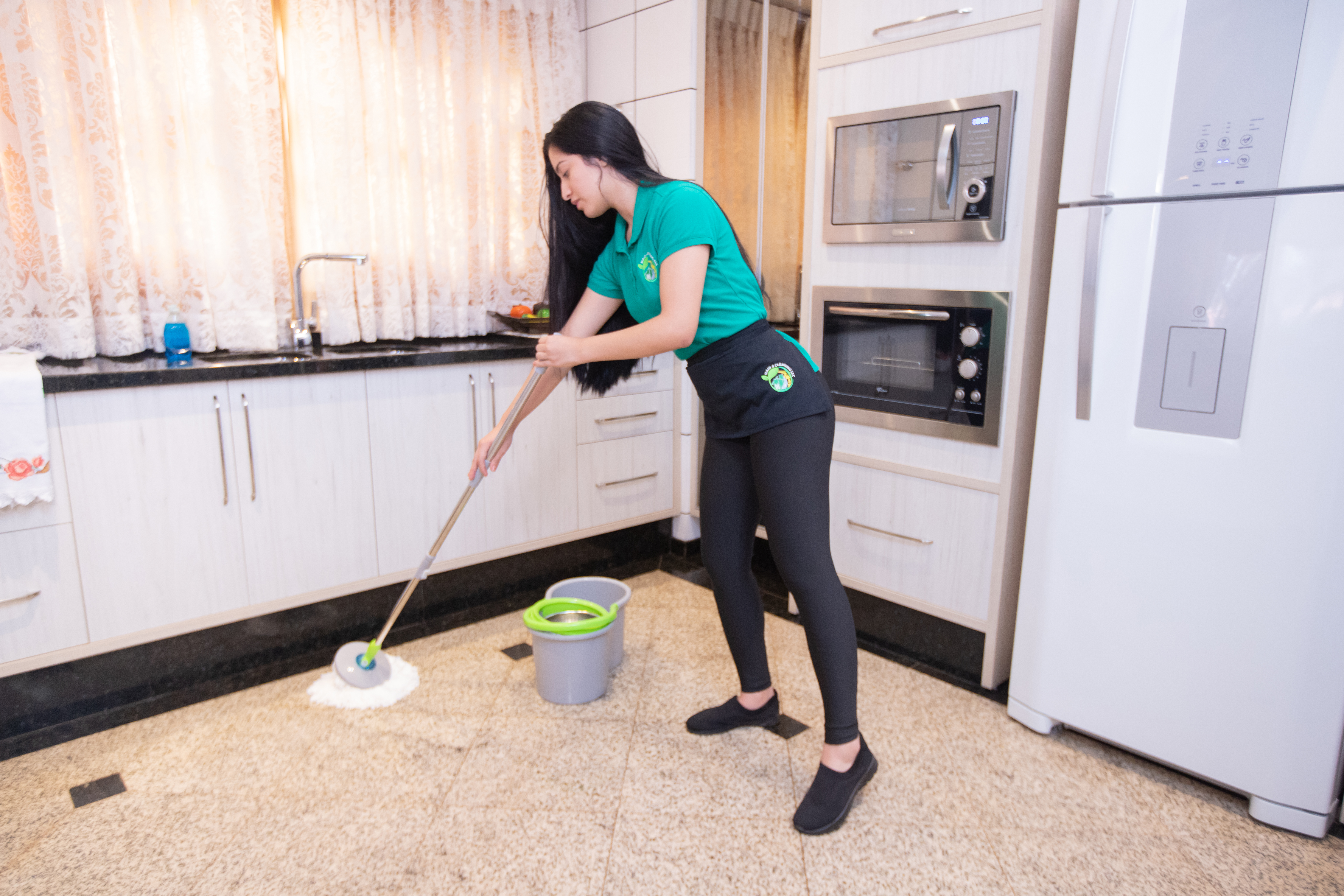
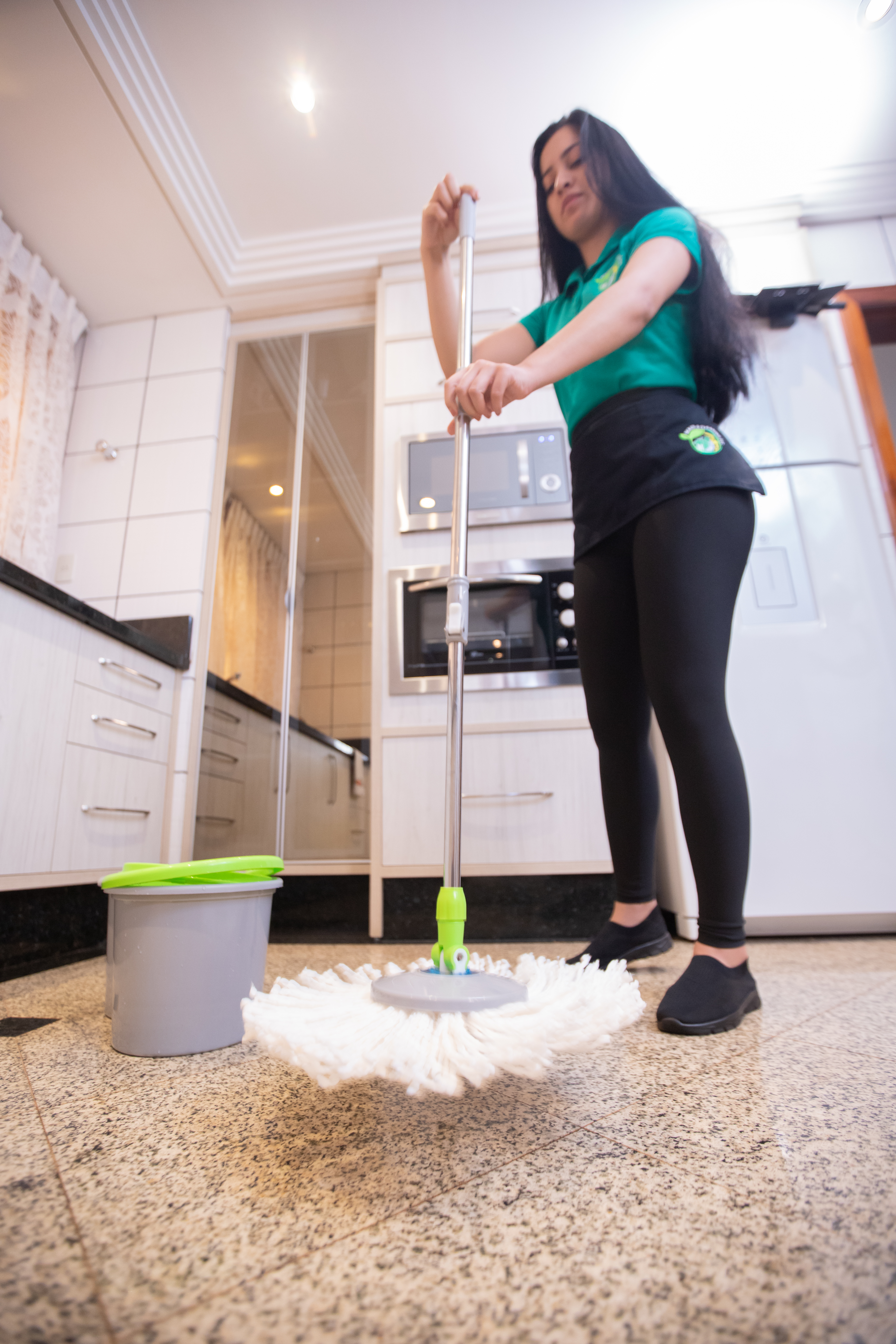
Method: Sweep or vacuum first. Mop using a damp mop (not soaked!) to avoid grout damage.
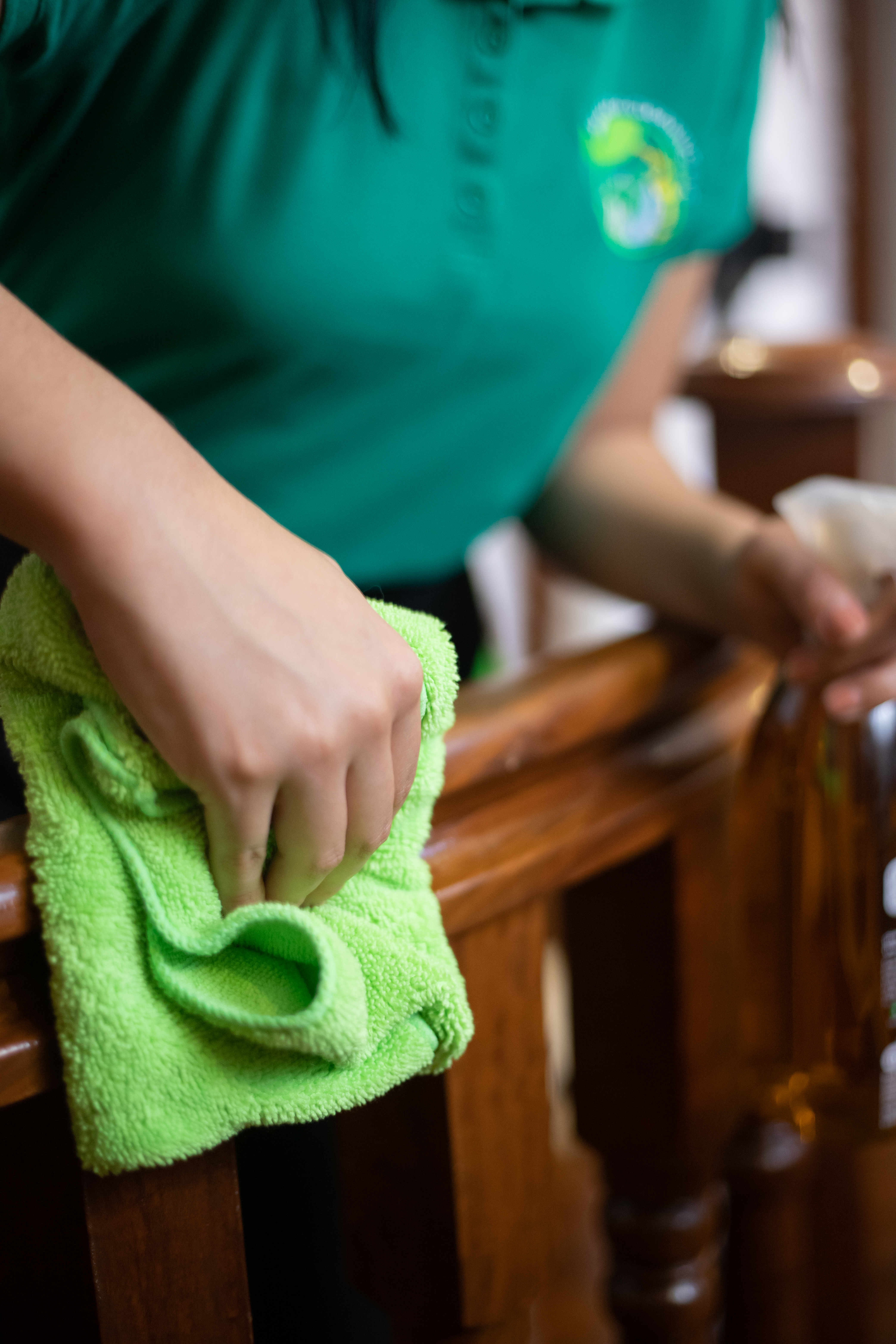
Drying Tip: Let air dry or wipe with a microfiber cloth for a streak-free shine.
✅ Linoleum Floors
Solution: 1 cup white vinegar to 1 gallon of hot water.
Note: Linoleum can be moisture-sensitive. Always use a well-wrung mop and dry high-traffic areas quickly.
✅ Sealed Hardwood Floors
Solution: ½ cup vinegar to 1 gallon of warm water.
Important: Only use on sealed or factory-finished hardwood. Never use on waxed or unsealed wood.
Extra Tip: Always test in a small, hidden spot first.
✅ Carpets (Spot-Cleaning Only)
Deodorizer Spray: Combine 1 tablespoon vinegar with 2 cups warm water in a spray bottle. Optional: add a few drops of essential oil.
Spot-Cleaning Fresh Stains: Blot the area, then spray with a 1:1 water-vinegar mix. Let sit 5 minutes, blot again. (Skip the baking soda/vinegar mix—it fizzes, but not effectively.)
🚫 Surfaces to Avoid Using Vinegar On
Vinegar’s acidity can damage some materials over time. Never use vinegar on:
Natural stone (granite, marble, limestone)
Waxed wood floors
Aluminum or cast iron
Rubber or delicate sealants
When in doubt, test on an inconspicuous spot or call us for advice.
Pro Tip: The Right Tools Matter
Pairing vinegar with high-quality microfiber mops and cloths can increase its cleaning power. Microfiber traps dirt and bacteria far more effectively than cotton, helping reduce the need for harsh chemicals—even in busy homes with pets and kids.
Want a Green Clean Without the Guesswork?
At Maid 4 Cleaning, we use proven, safe, and sustainable methods to leave your home spotless—without the chemical overload. Whether you’re in Downtown STL, Chesterfield, or University City, we’re here to make your floors shine and your life easier.
📞 Ready to be swept away? Call us today at (314) 626-5885 or book your next clean online!