The Best Way to Clean Dishes: A Guide to a Sparkling Kitchen
Have you ever eaten cereal out of a measuring cup because all your bowls were dirty? You’re not alone. For many, doing the dishes feels like a dreaded chore, especially if you don’t have a dishwasher. Plus, coming home to a sink piled high with dirty dishes can quickly turn a great day into a stressful one.
The good news? While washing dishes may never be your favorite pastime, keeping your sink clean can be simple with the right approach. Let’s explore the best way to clean dishes efficiently and effectively.
Make Dishwashing Manageable
If you let dishes pile up, tackling them feels overwhelming. The key is to clean as you go.
Rinse Immediately: After finishing your coffee or meal, rinse your dishes right away. This prevents food from hardening and makes washing easier later.
Clean While Cooking: When meal prepping, use downtime to wash cutting boards, knives, and prep bowls. This way, after eating, there are fewer dishes left to clean.
Use a Soaking Strategy: For tough, stuck-on food, soak dishes in warm, soapy water before scrubbing. This softens grime, reducing scrubbing time.
By making dishwashing a continuous process rather than a daunting task, you’ll keep your kitchen sink looking tidy with minimal effort.
The Best Way to Clean Dishes by Hand
Handwashing dishes efficiently requires a step-by-step approach:
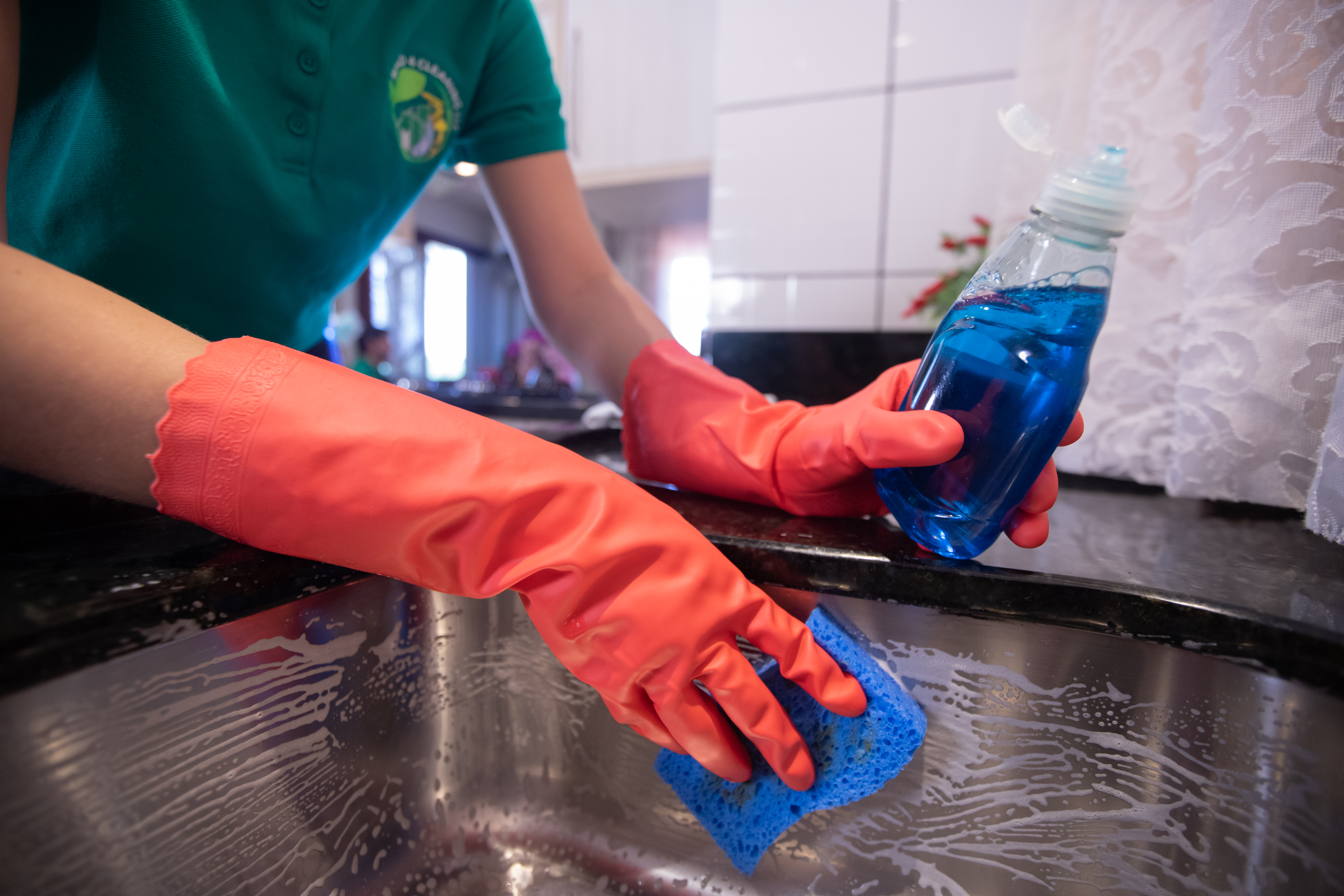
Prepare the Sink: Fill one side with hot, soapy water and the other with clean water for rinsing. Use gloves if needed to handle hotter water comfortably.
Start with the Cleanest Items: Wash glasses, silverware, and lightly soiled dishes first. This keeps the water cleaner for longer.
Move to Heavier Messes: Save greasy pans and food-covered plates for last. If necessary, change the water midway through washing.
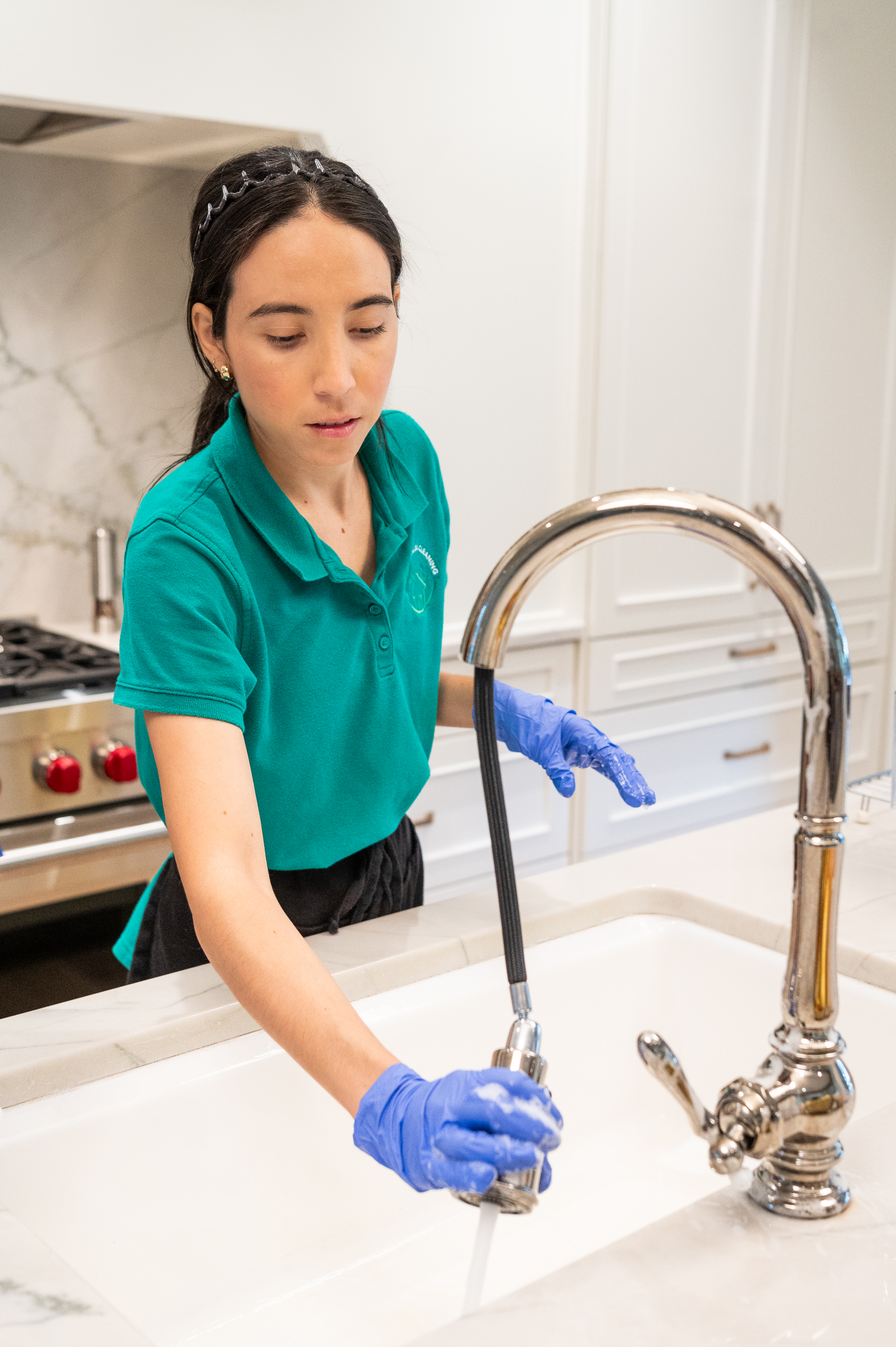
Rinse Thoroughly: Use warm water to remove soap residue completely.
Air Dry When Possible: Drying dishes with a clean towel is fine, but air drying helps prevent bacteria growth.
Pro Tip: Use a microfiber cloth or dish brush instead of a sponge, as sponges can harbor bacteria and need frequent replacement.
The Best Way to Clean Dishes in the Dishwasher
If you have a dishwasher, maximize its efficiency:
Scrape, Don’t Pre-Rinse: Modern dishwashers are designed to handle some food residue. Simply scrape off large pieces to prevent clogs.
Load Strategically:
Face plates inward for better water coverage.
Place cups and bowls upside down to avoid water pooling.
Avoid overcrowding so water and detergent can reach all surfaces.
Use the Right Detergent: Choose a high-quality detergent to avoid residue buildup.
Run the Dishwasher Regularly: Even if not full, running a cycle prevents odors and buildup inside the machine.
Pro Tip: Place your sponge or microfiber cloth in the dishwasher once a week to sanitize it.
How to Clean Specialty Dishes
Some cookware needs special care to maintain quality:
Cast Iron Skillets: Never soak or use soap. Instead, scrub with a stiff brush and hot water, then dry immediately to prevent rust. Apply a thin layer of oil to maintain seasoning.
Carbon Steel Woks: Similar to cast iron, rinse with hot water, scrub lightly, and dry over low heat.
Copper Cookware: Hand wash with mild soap and a soft sponge. To remove tarnish, use a paste of lemon juice and baking soda.
Non-Stick Pans: Avoid abrasive scrubbing. Use a soft sponge and mild dish soap. Baking soda and water can help remove stubborn grease.
Final Thoughts
Now that you know the best way to clean dishes, keeping your kitchen tidy will feel less overwhelming. Implementing these tips will help maintain a clean, organized space, making cooking and dining at home even more enjoyable.
If you'd rather leave the cleaning to the pros, Maid 4 Cleaning in Saint Louis is here to help! Call us at (314) 626-5885 and let us handle the mess so you can enjoy your home stress-free.
Be Swept Away with Maid 4 Cleaning!